:+86 15106109009
:sales@couplingzy.com

 jp
jp


Is High-Performance Metal Elastic Coupling the Ultimate Key to Achieving Zero Backlash and Maximizing Reliability in Precision Drive Systems?
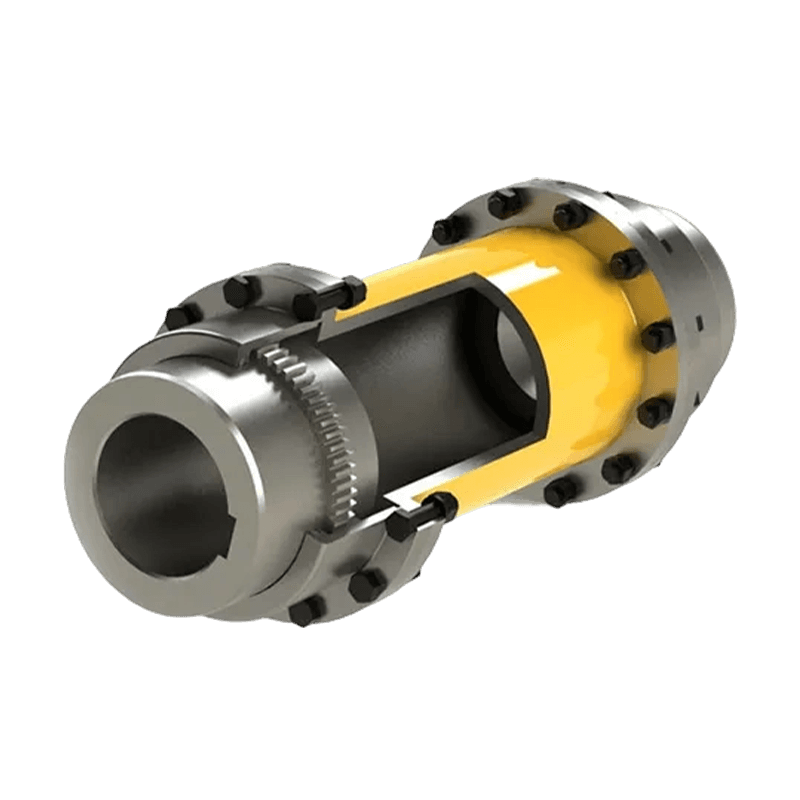
回転機械では、2 つのシャフトを接続するカップリングは、故障するまで見落とされがちですが、動力がどのように確実に伝達されるか、接続された機器にどの程度の振動が伝わるか、実際のミスアライメントに対するドライブトレインの許容度に決定的な役割を果たします。の 高強度金属弾性要素カップリング 熱や化学薬品にさらされると磨耗、老化、劣化するゴムやエラストマー部品に依存せずにこれらの懸念に対処できるため、重工業全体で好まれるソリューションとなっています。この記事では、これらのカップリングとは何か、その金属弾性要素がどのように機能するか、他のタイプのカップリングよりもこれらのカップリングが選ばれる理由、要求の厳しい産業用途向けにカップリングを指定する際にエンジニアが何を評価すべきかを検討します。
金属弾性要素カップリングとは何ですか?
カップリングは、2 つのシャフト、通常はドライバー (モーターやエンジンなど) の出力シャフトと被駆動機械 (ポンプ、ギアボックス、コンプレッサーなど) の入力シャフトを接続し、それらの間でトルクを伝達するために使用される機械装置です。リジッドカップリングは柔軟性を持たずにシャフトを接続するため、ほぼ完璧なシャフトの位置合わせが要求されます。対照的に、フレキシブル カップリングは、トルクを効率的に伝達しながら、少量の位置ずれ、シャフト端の動き、ねじれの変化に適応するように設計されています。
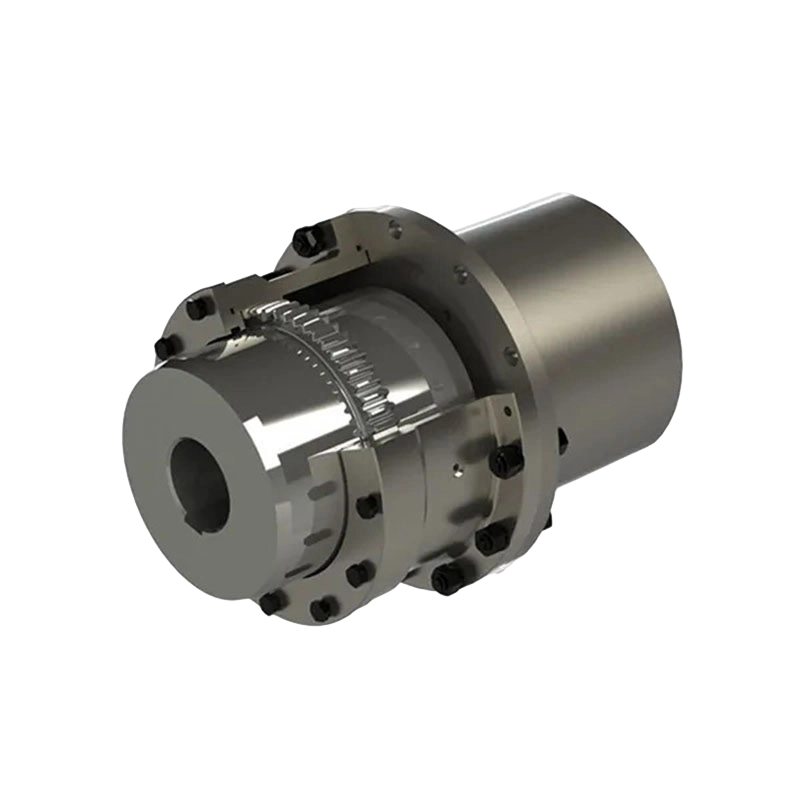
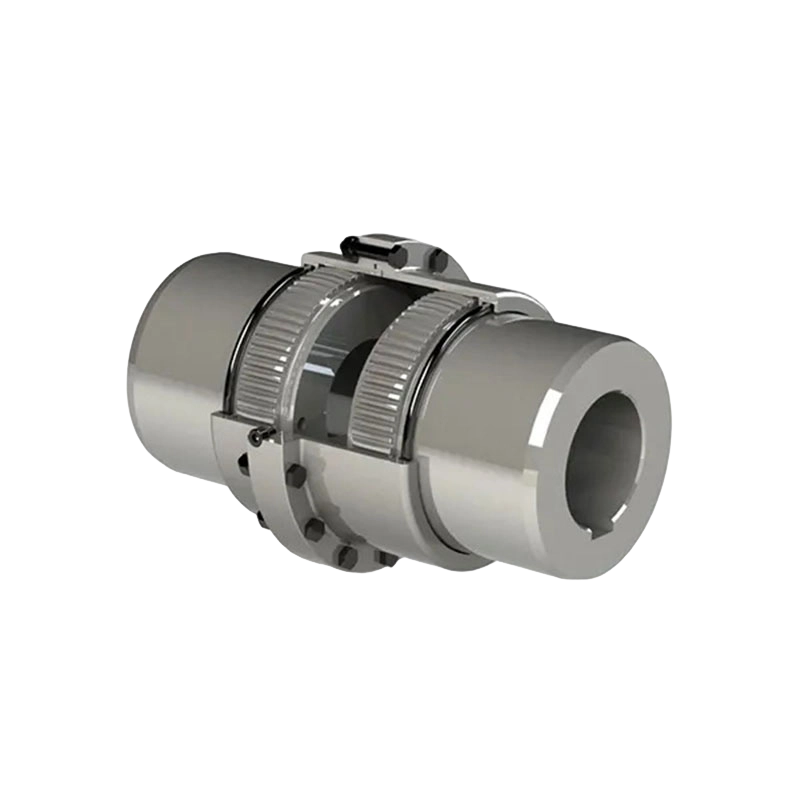
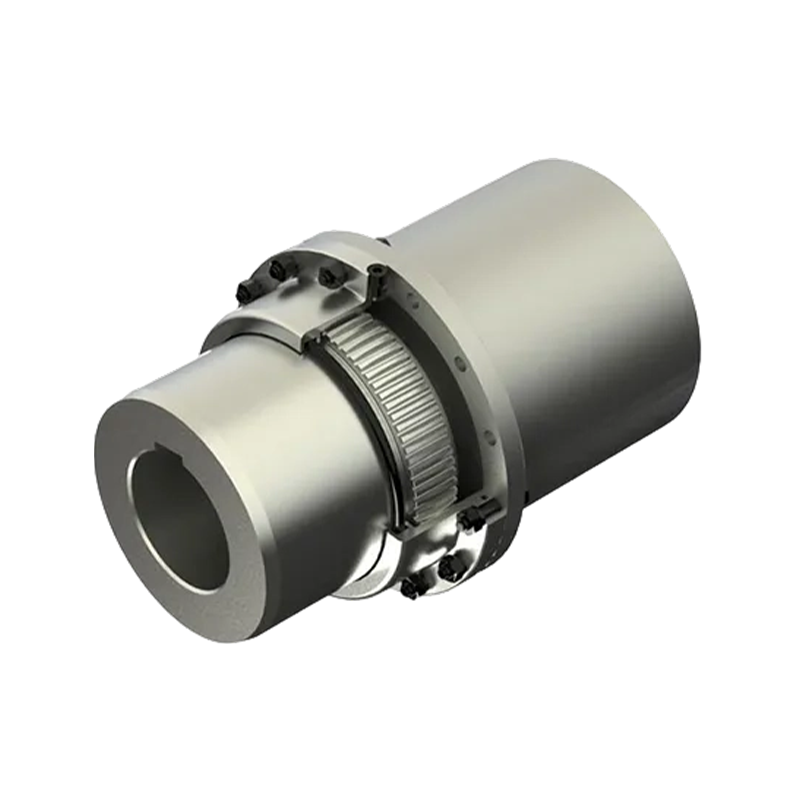
金属弾性要素カップリングは、多くの従来のフレキシブルカップリングのようなゴムブッシングやエラストマースパイダーを介するのではなく、薄く慎重に設計された金属コンポーネント(通常はステンレス鋼または高張力合金鋼のディスク、ダイアフラム、または積層プレートパック)によってこの柔軟性を実現します。これらのコンポーネントは、負荷がかかるとわずかに曲がり、ミスアライメントを吸収しながら、最小のバックラッシュでトルクを伝達するのに十分なねじり剛性を保ちます。この金属ベースの柔軟性は、これらのカップリングをエラストマー製の対応物から区別する決定的な特徴です。
金属弾性要素が柔軟性をもたらす仕組み
金属弾性要素カップリングの背後にある中心となる工学原理は、薄い金属が正しく成形され取り付けられている場合、数百万回の荷重サイクルにわたって応力が材料の弾性範囲内に留まる限り、永久変形や疲労破壊を起こすことなく設計限界内で弾性的に曲がることができるということです。
ディスクパックのデザイン
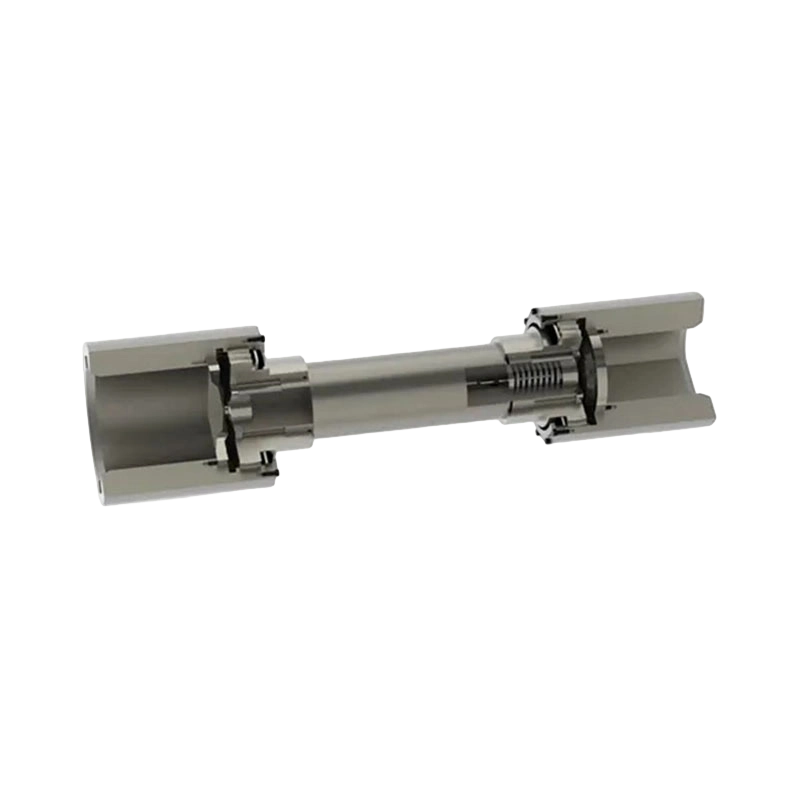
最も一般的な金属弾性要素構成の 1 つは、駆動ハブと従動ハブに交互にボルトで固定された、輪郭のある薄いステンレス鋼ディスクのスタックを使用します。シャフトがわずかな位置ずれや軸方向の動きを経験すると、ディスク パックはそのずれに対応するためにたわみ、同時にボルト パターンを通じてトルクをしっかりと伝達します。複数の薄いディスクを積み重ねると、1 枚の厚いディスクよりも応力が均等に分散され、疲労寿命が向上します。
ダイヤフラムの設計
ダイヤフラム カップリングは、内径と外径でハブに接続された単一の輪郭をもつ金属ダイヤフラムを使用します。この金属ダイヤフラムは、多くの場合、わずかな円錐形または波形のプロファイルで形作られています。ダイアフラムはディスクパックのコンセプトと同様に曲がりますが、ディスクの積み重ねではなく単一の連続した膜内であり、用途に応じてねじれ剛性、ミスアライメント容量、および軸方向の柔軟性の異なるバランスを提供します。
積層リングまたはグリッドのデザイン
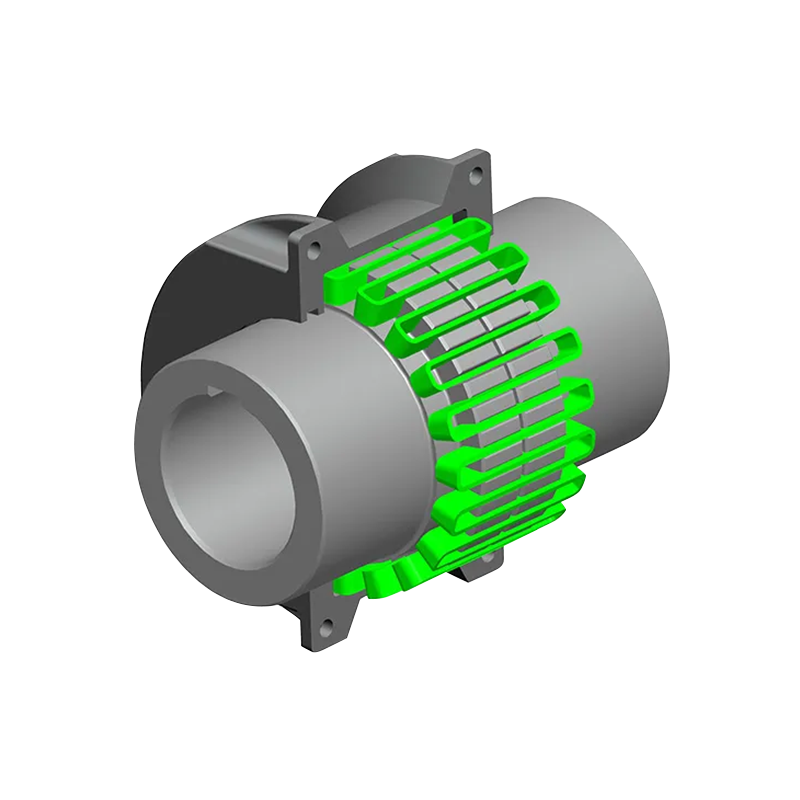
一部の高強度金属弾性カップリングは、薄くて柔軟な金属ストリップの積層リングや蛇行グリッド要素を使用しており、複数の接触点間でトルク伝達を分散しながら、位置ずれに対応して屈曲するため、柔軟性とともにある程度の衝撃吸収性を実現します。
| デザインタイプ | 柔軟性のメカニズム | 一般的な強度 |
|---|---|---|
| ディスクパック | 輪郭のある薄い金属ディスクの積み重ね | 非常に高いトルク容量 |
| ダイヤフラム | 単一輪郭の金属膜 | 高トルク、コンパクト設計 |
| 積層リング/グリッド | 柔軟な金属ストリップまたはグリッド要素 | 中程度から高度、追加の衝撃吸収性 |
なぜ「高強度」が重要なのか
すべての金属弾性カップリングが同じ性能基準に基づいて設計されているわけではありません。 「高強度」の指定は通常、高級合金またはステンレス鋼材料の使用、精密な製造公差、疲労試験による設計検証を指します。これらはすべて、カップリングが長期間にわたる耐用年数にわたって故障することなく相当なトルク負荷を確実に伝達できることを保証することを目的としています。
材料の選択
高強度金属弾性要素は通常、析出硬化ステンレス鋼または特殊なばね鋼合金から製造され、高降伏強度、優れた耐疲労性、および耐食性の組み合わせにより選択されます。小さな材料欠陥であっても、数百万回の屈曲サイクルの下では疲労亀裂の開始点となる可能性があるため、材料の純度と一貫性は非常に重要です。
精密製造
これらのカップリングの中心部にある薄い金属要素は、通常、精密スタンピング、レーザー切断、または化学エッチングを使用して製造され、その後、応力が集中するバリや微細な表面傷を除去するために注意深くエッジ仕上げが行われます。これらの要素はカップリングの耐用年数にわたって繰り返し屈曲するため、製造精度は長期疲労性能に直接影響します。
疲労および荷重試験
評判の良いメーカーは、広範な疲労試験を通じて高強度金属弾性カップリングを検証し、予想される範囲のミスアライメントとトルク負荷を何百万回も繰り返して、亀裂や永久変形が発生せずに定格耐用年数を満たしていることを確認します。
エラストマーカップリングに勝る利点
ゴムまたはポリウレタンコンポーネントを使用して柔軟性と減衰を提供するエラストマーカップリングは、依然として多くの用途で一般的ですが、金属弾性要素カップリングは、要求の厳しい環境においていくつかの明確な利点を提供します。
エラストマーの劣化なし
ゴムとポリウレタンのコンポーネントは、熱、化学物質への曝露、オゾン、紫外線により時間の経過とともに劣化し、徐々に弾力性が失われるため、定期的な交換が必要になります。金属弾性要素はこの種の材料老化の影響を受けないため、エラストマー部品がすぐに劣化する高温、油への曝露、化学プロセス流体などの環境に適しています。
バックラッシゼロ動作
金属弾性要素は、ゴム要素を圧縮するのではなく、直接機械的に屈曲することによってトルクを伝達するため、本質的にバックラッシュをゼロにするように設計できます。これは、精密モーション制御、サーボ駆動システム、およびねじり精度が製品の品質やプロセス制御に直接影響するアプリケーションにおける重要な要件です。
より高い温度耐性
金属弾性カップリングは通常、エラストマーカップリングよりもはるかに広い温度範囲で確実に動作できるため、製鉄所、セメント工場、特定の化学処理用途など、ゴム部品が急速に劣化する高温工業プロセスに適しています。
一貫したねじり剛性
ゴム要素は多くの場合、温度や経年変化によってねじり剛性が変化するため、ドライブトレインの正確なねじり振動解析が複雑になる可能性があります。金属弾性要素は、時間や温度に対してより一貫したねじり剛性特性を維持し、より予測可能なシステム ダイナミクスをサポートします。
最小限のメンテナンスで長寿命
金属弾性要素はエラストマー部品のように摩耗が進行せず、多くの設計が無潤滑であるため、高強度金属弾性カップリングは、同等のエラストマーまたはギアカップリングに比べて定期的なメンテナンスや交換の必要性が大幅に少なくなります。
評価すべき主要なパフォーマンス特性
トルク容量
すべてのカップリングは最大連続トルクの定格があり、多くの場合、一時的な過負荷イベントに対するより高いピークまたは衝撃トルクの定格が定められています。アプリケーションの計算された回転トルクを上回る合理的なサービスファクターを含む、適切なトルク容量を持つカップリングを選択することは、信頼性の高い動作の基本です。
ミスアライメント許容量
金属弾性カップリングは通常、特定の角度、平行、軸方向のずれの制限について評価されます。これらのカップリングはリジッド カップリングよりも寛容ですが、それでも公差が定義されており、それを超えると疲労が加速し、耐用年数が短くなる可能性があります。フレキシブルカップリングが所定の位置に設置されている場合でも、取り付け時の正確なシャフトの位置合わせは依然として重要です。
ねじり剛性
金属弾性要素のねじり剛性は、カップリングがより広範なドライブトレインのねじり振動特性とどのように相互作用するかに影響します。往復負荷または可変周波数ドライブを備えたシステムでは、ねじり剛性を慎重に調整して、ドライブトレイン全体で早期の疲労破損を引き起こす可能性のある共振状態を回避する必要があります。
バランスと速度の評価
高速アプリケーションでは、動作速度での振動の発生を避けるために、正確にバランスがとれたカップリングが必要です。通常、メーカーは最大速度定格を指定し、品質グレードのバランスをとります。これは、タービン、高速ポンプ、コンプレッサーなどの用途で特に重要になります。
フェイルセーフ動作
重要なアプリケーションでは、エンジニアは要素の故障時にカップリングがどのように動作するかを評価することがよくあります。一部の高強度金属弾性カップリングの設計には、重複要素構成などの二次機能またはフェールセーフ機能が組み込まれており、1 つの要素が損傷した場合でも制限された継続トルク伝達が可能となり、動作上の安全性のマージンが追加されます。
- 適切なサービスファクターを使用して、必要な連続トルク定格およびピークトルク定格を確認します。
- 予想される動作条件に対する角度、平行、軸方向のミスアライメント許容量を検証します。
- ねじり剛性をドライブトレイン全体の振動解析に適合させる
- 最大速度定格と品質グレードのバランスを確認してください
- 重要なアプリケーション向けのフェールセーフまたはバックアップ トルク伝達機能を評価する
- 動作温度および環境暴露に対する材料の適合性を確認する
一般的な産業用途
発電
発電所のタービン、発電機、および補助駆動システムは、高トルク容量、正確なねじり特性、タービンや発電機の近くに存在することが多い高温に対する耐性を組み合わせるために、高強度金属弾性カップリングに依存することがよくあります。
石油、ガス、石油化学の処理
石油、ガス、石油化学施設のポンプ、コンプレッサー、プロセス ドライブは、化学物質への曝露や高温の環境で動作することが多く、エラストマー カップリングはすぐに劣化するため、長期信頼性を確保するには金属弾性要素カップリングが推奨されます。
鉄鋼および金属加工
圧延機、押出機、その他の重金属加工装置は、高い衝撃荷重や周囲温度の上昇に頻繁にさらされますが、その両方の理由から、エラストマー製の代替品よりも金属製の弾性要素カップリングの耐久性と耐熱性が有利になります。
船舶推進機
船舶用ドライブトレインは、金属弾性カップリングで利用可能な位置ずれ耐性と耐食性材料オプションの恩恵を受けており、振動、シャフトの動き、湿気や塩気への曝露などの厳しい環境でも確実に動作する必要があります。
精密モーションコントロールとサーボシステム
Applications requiring precise torsional response — such as servo-driven equipment, robotics, and certain machine tool drives — often specify metal elastic couplings specifically for their near-zero backlash characteristics, which support accurate positioning and repeatable motion control.
Installation Best Practices
Shaft Alignment
Although metal elastic couplings tolerate some misalignment, proper initial shaft alignment using dial indicators or laser alignment tools remains best practice, since operating consistently near the upper limit of a coupling's misalignment rating can shorten its fatigue life compared to operating well within its design range.
Bolt Torque Specifications
The bolts connecting the metal elastic element to the coupling hubs must be tightened to precise torque specifications, since under-tightened bolts can allow micro-movement that accelerates wear, while over-tightened bolts can introduce unwanted stress into the element itself.
Verifying Balance After Installation
For high-speed applications, verifying overall system balance after coupling installation helps confirm that the coupling and connected shafts are operating within acceptable vibration limits before the equipment is placed into full continuous service.
Protecting Against Environmental Contamination
While metal elastic elements do not require lubrication in most designs, keeping the coupling area reasonably free of abrasive contamination and corrosive buildup helps preserve long-term performance, particularly for coupling designs exposed to outdoor or harsh industrial environments.
Maintenance and Inspection Practices
One of the appeals of high-strength metal elastic element couplings is their relatively low maintenance burden compared to gear couplings or elastomeric couplings requiring periodic element replacement. Still, a basic inspection routine supports long-term reliability.
Periodic Visual Inspection
Routine visual checks for surface cracking, discoloration from overheating, or visible deformation in the metal elastic element can help catch developing issues before they progress to failure, particularly in critical or high-value equipment.
Vibration Monitoring
Many facilities incorporate coupling condition monitoring into broader machine vibration analysis programs, since changes in vibration signature can sometimes indicate developing misalignment, imbalance, or early-stage coupling element fatigue.
Bolt Torque Verification
Periodic verification that mounting bolts remain at specified torque values helps ensure the coupling continues to perform as designed, particularly following any maintenance activity that involved partial disassembly.
Comparing Metal Elastic Couplings to Other Flexible Coupling Types
| Coupling Type | Flexibility Source | Best Suited For |
|---|---|---|
| Metal elastic element | Thin flexing metal discs/diaphragm | High temperature, zero backlash, long service life |
| Elastomeric (jaw/spider) | Rubber or polyurethane insert | Vibration damping, lower cost, moderate torque |
| Gear coupling | Meshing gear teeth with lubrication | Very high torque, requires lubrication maintenance |
| Grid coupling | Flexible steel grid element | Shock load absorption, moderate misalignment tolerance |
Selecting the Right Manufacturer and Product Line
Given the critical role couplings play in drivetrain reliability, engineers should evaluate not only the technical specifications of a proposed coupling but also the manufacturer's engineering support, quality control processes, and track record in similar applications. Requesting documented fatigue test data, material certifications, and application-specific engineering calculations can help validate that a proposed high-strength metal elastic coupling is genuinely suited to the intended operating conditions, rather than relying solely on general catalog ratings.
Future Trends in Metal Elastic Coupling Design
Ongoing advances in metallurgy continue to push the performance envelope of metal elastic element couplings. Improved alloy formulations aim to increase fatigue resistance and torque density, allowing more compact couplings to handle greater loads. Manufacturing techniques such as advanced laser cutting and refined heat treatment processes are improving the consistency and reliability of thin metal elements at scale. Additionally, growing integration of condition-monitoring sensors directly into coupling assemblies is enabling more proactive maintenance strategies, allowing operators to track element stress and detect early signs of fatigue before a failure occurs.
High-strength metal elastic element couplings offer a compelling combination of torque capacity, misalignment tolerance, near-zero backlash, and long-term durability that makes them a preferred choice across power generation, heavy processing, marine, and precision motion control applications. By transmitting torque through carefully engineered flexing metal elements rather than elastomeric components prone to aging and degradation, these couplings deliver consistent performance in demanding environments where reliability is non-negotiable. For engineers specifying rotating equipment, understanding the design principles, performance characteristics, and proper selection criteria behind these couplings is essential to building a drivetrain that performs reliably over the long term.
- Quick Links
- About
- Products
- Our Service
- News & Events
- Contact
- Products Series
- Flexible Couplings with Non-Elastic Elements
- Flexible Couplings with Metal Elastic Elements
- Flexible Couplings with Non-Metallic Elastic Elements
- Safety Coupling
- Rigid Coupling
- Contact Us
- Tel : +86 511 8572 3800 +86 511 8572 3900
- Mobile : +86 15106109009
- Email : sales@couplingzy.com
- Add:No.1 Zhongye Yingbin Avenue, Gaozi Street, Dantu Economic Development Zone, Zhenjiang City, Jiangsu Province, China.


