:+86 15106109009
:sales@couplingzy.com

 jp
jp


Is High-Precision Metal Elastic Flexible Coupling the Key to Achieving Zero-Backlash and High-Temperature Stability in Modern Machinery?
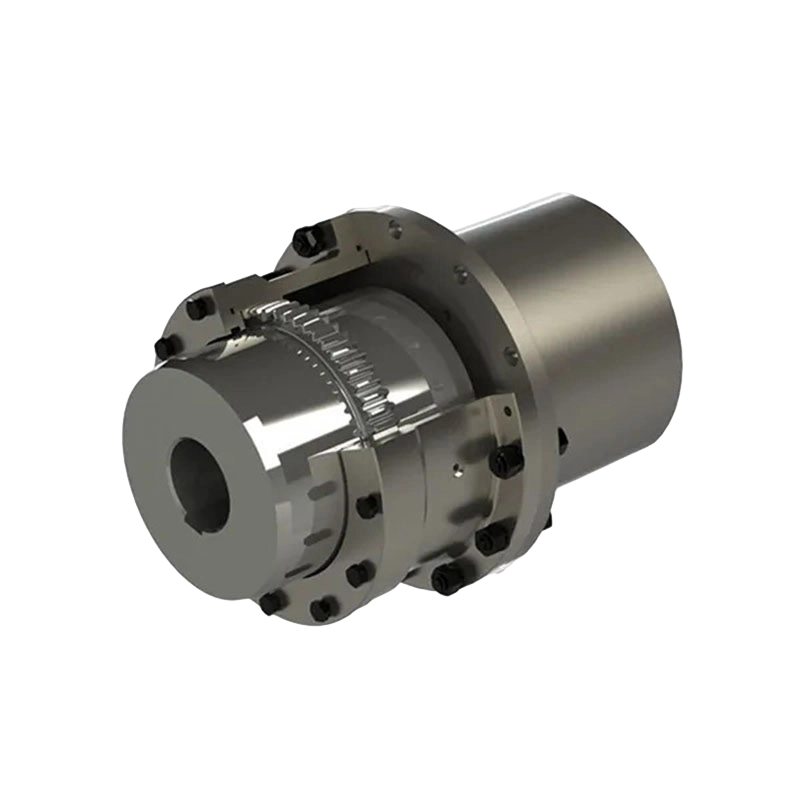
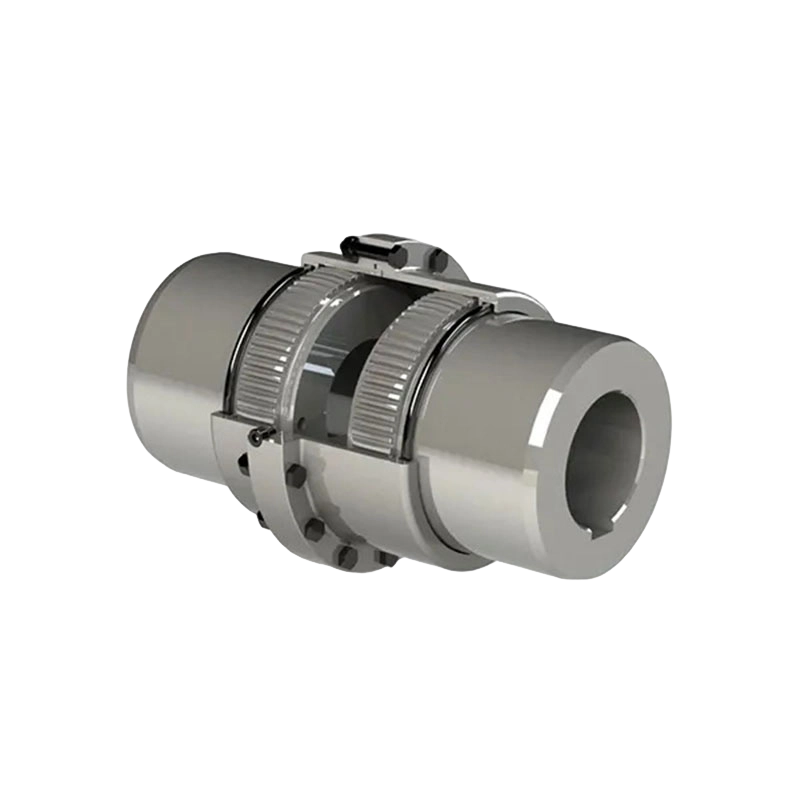
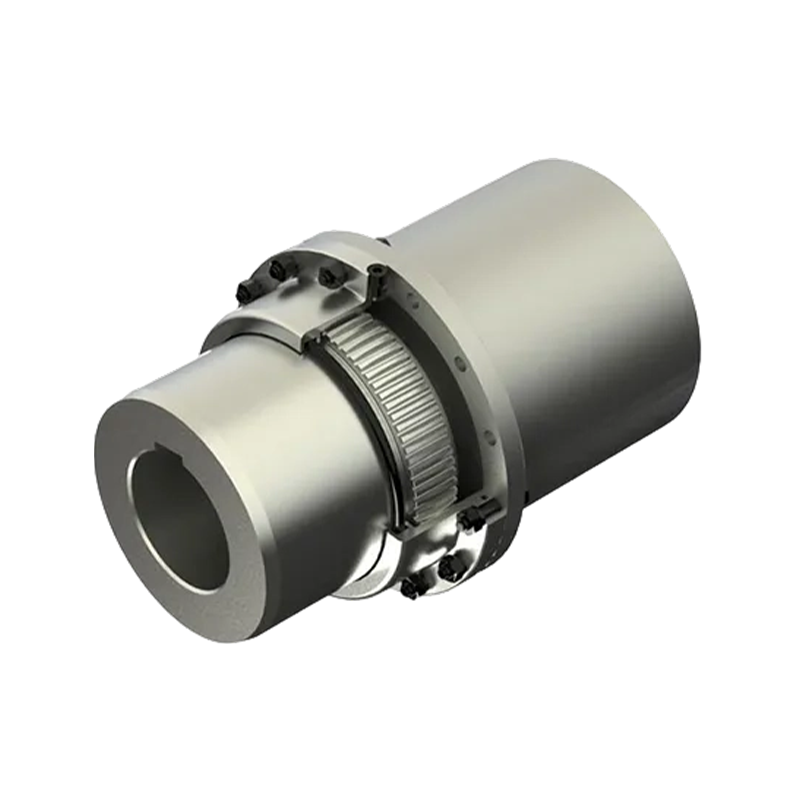
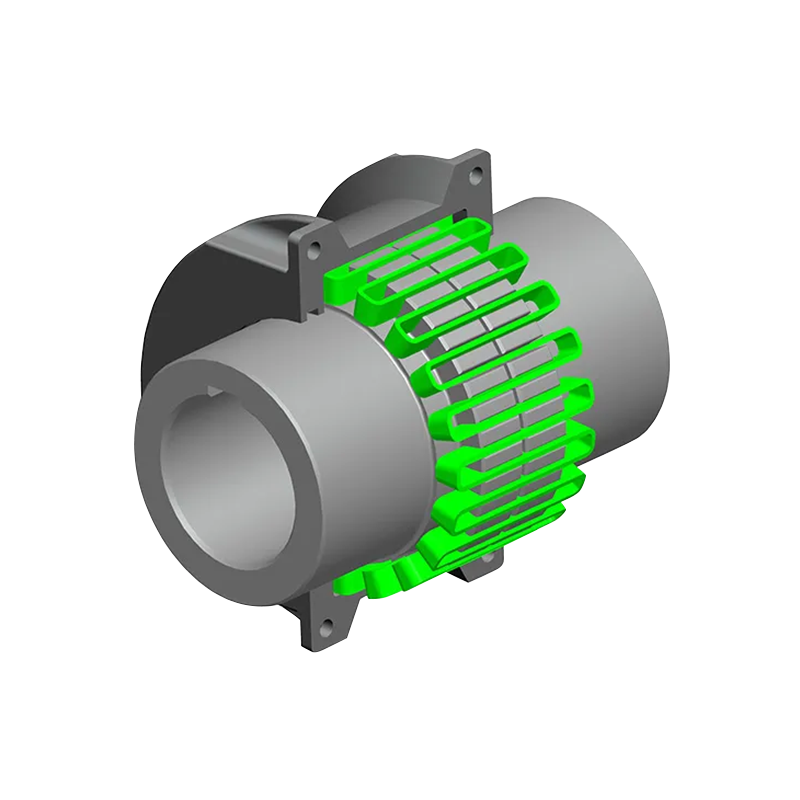
高精度金属弾性フレキシブルカップリングは、2つの回転軸を接続し、微小なズレを吸収し、振動を吸収し、回転精度の低下を最小限に抑えてトルクを伝達する重要な機械部品です。これらのカップリングは、サーボ モーター システム、CNC 工作機械、ロボット工学、半導体製造装置、精密測定機器の中心に位置し、ほぼゼロのバックラッシ性能を実現しながら、接続されたコンポーネントをシャフトの位置ずれによる有害な影響から保護するように設計されています。この記事では、高精度金属弾性フレキシブル カップリングとは何か、その構造、その性能の背後にある工学原理、要求の厳しいモーション コントロール アプリケーション向けにカップリングを選択および保守する方法について詳しく説明します。
確実に機能するために完璧なシャフトの位置合わせが必要なリジッド カップリングとは異なり、弾性フレキシブル カップリングは、製造公差、熱膨張、アセンブリのばらつきなど、実際の機械アセンブリで発生する小さいながらも避けられない位置ずれに対応するように特別に設計されています。高精度の金属バージョンが、より単純なエラストマーまたはジョータイプのカップリングと異なる点は、非常に厳しいねじり剛性とほぼゼロのバックラッシを維持しながら、弾性的に曲がって位置ずれを吸収する金属要素、通常は薄いステンレス鋼のディスク、ダイアフラム、またはビームで構成されていることです。この柔軟性と精度の組み合わせにより、正確な位置決めと動作の同期が最も重要な場合に最適なカップリングとなります。
フレキシブルカップリング 精密なモーションコントロール サーボカップリング ディスクカップリング バックラッシゼロとは何ですか 高精度金属弾性フレキシブルカップリング
カップリングは、一方のシャフトからもう一方のシャフトにトルクと回転運動を伝達する目的で、2 つのシャフトを端で接続するために使用される機械装置です。高精度金属弾性フレキシブルカップリングは、この広範な製品群の中の特定のカテゴリーであり、3 つの特徴によって区別されます。カップリングはゴムやプラスチックではなく主に金属要素から作られ、位置ずれに対応するために薄い金属部分の弾性変形に依存し、本質的にゼロのバックラッシと再現性の高いねじり剛性を実現するのに十分な公差で製造されます。
これらのカップリングは、最大の剛性を提供するが位置ずれ耐性がないリジッド カップリングと、より大きな位置ずれ耐性と振動減衰を提供するが、ねじり精度とバックラッシュのない性能を犠牲にするエラストマーまたは機械式フレキシブル カップリングの間の特定のニッチを占めます。圧縮性のゴム要素に依存するのではなく、弾性的に曲がる薄い金属ディスクまたはダイヤフラムを使用することにより、高精度金属カップリングは、位置決め精度が重要な用途で両方の長所を実現します。
精度が重要な理由
多くの産業用途では、カップリングの少量のバックラッシュやねじれの柔軟性は許容され、衝撃荷重を吸収するのに有益ですらあります。ただし、サーボ駆動の位置決め軸、エンコーダ フィードバック シャフト、ロボット ジョイント、半導体ウェーハ ハンドリング システムなどのアプリケーションでは、バックラッシュや角度のわずかな偏りであっても、エンド エフェクタや作業面で測定可能な位置決め誤差につながる可能性があります。高精度の金属弾性フレキシブル カップリングは、接続されたシャフトとベアリングを軽微な位置ずれのストレスから保護しながら、この誤差の原因を排除するように特別に設計されています。
コア設計の種類と構造
いくつかの異なるデザインファミリーが高精度金属弾性フレキシブルカップリングの範疇に属し、それぞれが異なる幾何学的なアプローチを使用して、材料の圧縮ではなく金属の弾性によって柔軟性を実現しています。
ディスクカップリング
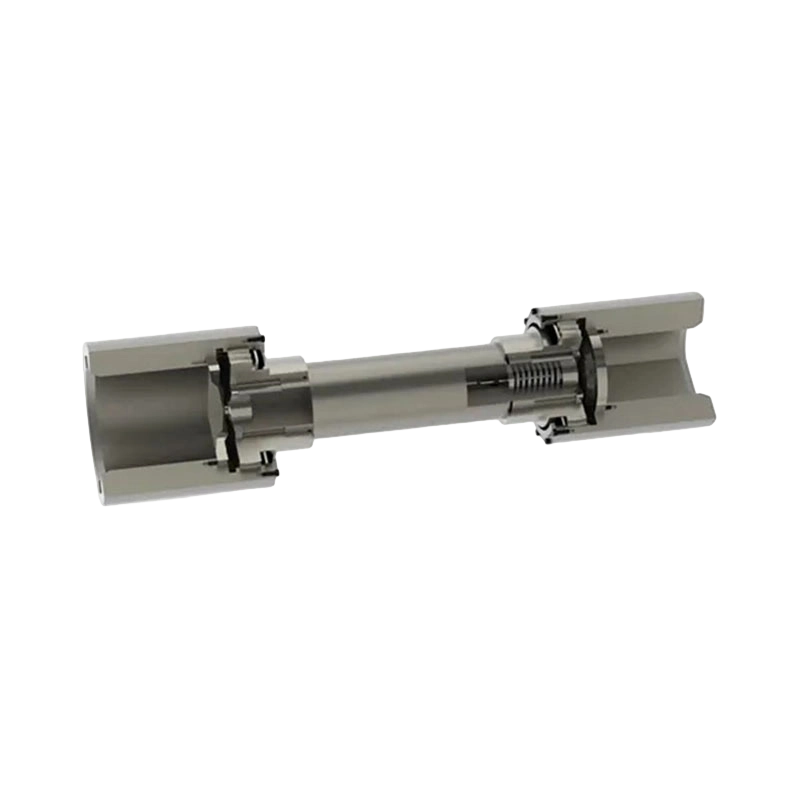
ディスク カップリングは、2 つのハブ セクションの間に挟まれた 1 つまたは複数の薄いステンレス鋼ディスクを使用し、多くの場合、スロットまたはローブのパターンでレーザーカットされます。ディスク パックは、スロット間のディスクの固体金属部分を介してトルクを伝達しながら、角度、平行、軸方向のずれに対応するためにわずかに曲がります。複数のディスクパックを積み重ねたり、スペーサーシャフトで分離したりすることで、より大きな位置ずれやより大きなシャフト分離距離に対応できます。ディスクカップリングは、非常に高いねじり剛性と、長時間の動作後でもバックラッシュをゼロに維持できる能力で高く評価されています。
ダイヤフラムカップリング
ダイヤフラム カップリングは、単一の輪郭を持った金属ダイヤフラムを使用します。通常は、平らなディスクの積み重ねではなく、浅い円錐形またはドームのような形状です。ダイヤフラムは円周全体で均一に屈曲してミスアライメントを吸収し、優れたバランスとスムーズなトルク伝達を実現します。この設計は、ターボ機械や精密スピンドルドライブなどの高速アプリケーションで特に一般的です。
ビームカップリング
ビーム カップリングは、単一の金属 (通常はアルミニウムまたはステンレス鋼) から機械加工され、円筒形本体の壁に螺旋状または直線のスロット パターンが切り込まれます。これにより、一連の細いビーム要素が作成され、これらの要素がねじれたり曲がったりして位置ずれに対応し、本体の切断されていない固体部分がトルクを伝達します。ビーム カップリングは、個別の締結部品や組み立て部品を持たない単一のモノリシック部品として製造されているため、本質的にバックラッシュ ゼロの性能を提供し、エンコーダや軽量サーボ アプリケーションで広く使用されています。
ベローズカップリング
ベローズ カップリングは、外観がアコーディオン ベローズに似た薄壁の波形金属チューブを使用し、2 つの剛性ハブ セクションを接続します。波形構造は、高いねじり剛性を維持しながら、角度、平行、軸方向のずれを吸収するために屈曲します。ベローズカップリングは、高速サーボモーター接続など、コンパクトなサイズと優れた動的応答の組み合わせを必要とするアプリケーションに特に適しています。
概要
これらの設計はすべて、個別に成形されたエラストマーインサートではなく固体金属の弾性変形に依存しているため、時間の経過とともにゴムベースのカップリングに影響を与える可能性があるワインドアップ、ヒステリシス、および徐々に摩耗することが回避されます。これが、長期の位置決め精度が要求されるアプリケーションで好まれる主な理由です。
弾性金属の柔軟性がいかにして精度を実現するか
すべての高精度金属弾性フレキシブル カップリングの基礎となる工学原理は、特定の幾何学的パターンで材料の弾性を制御して使用することで、トルク伝達方向には極めて高い剛性を維持しながら、特定の方向への曲げやねじれを可能にします。
設計による異方性剛性
適切に設計されたディスク、ダイアフラム、ビーム、またはベローズ カップリングは本質的に異方性バネであり、その剛性は加えられる荷重の方向に応じて変化します。ねじれ方向では、カップリングは可能な限り剛性が高くなるように設計されており、一方のシャフトに加えられた回転運動が最小限のねじれや遅延でもう一方のシャフトに確実に伝達されます。横方向、角度方向、および軸方向において、同じ構造は比較的柔軟になるように設計されており、ベアリングに損傷を与える側面荷重を伝達することなく、接続された 2 つのシャフト間の小さな位置差を屈曲して吸収することができます。
バックラッシ除去
バックラッシュとは、機械的接続内の少量の遊びや動きの損失を指します。高精度金属弾性カップリングは、噛み合い部品間の機械的クリアランスではなく、固体金属構造の連続的な弾性変形を通じてトルクを伝達するため、ギアカップリングや緩く取り付けられた機械的ジョイントで発生する可能性のあるバックラッシュを本質的に回避します。これが、これらのカップリングが閉ループ サーボ システムで指定される主な理由の 1 つです。閉ループ サーボ システムでは、機械ドライブ トレインのバックラッシュが位置決めの不正確さや制御の不安定に直接変換されます。
疲労寿命と材質の選択
これらのカップリングの金属要素は動作中に継続的に曲がるため、耐疲労性は設計上の重要な考慮事項です。メーカーは通常、疲労強度、耐食性、数百万回の屈曲サイクルにわたる一貫した弾性挙動の組み合わせを考慮して選ばれた、高品質のステンレス鋼合金を使用します。材料の厚さ、表面仕上げ、特にスロットやカットアウトの周囲の応力集中点を正確に制御することは、疲労亀裂のない長い耐用年数を達成するために不可欠です。
主なパフォーマンス特性
エンジニアが高精度の金属弾性フレキシブル カップリングを指定する場合、コンポーネントがアプリケーションの要求に適合していることを確認するために、いくつかの性能特性が評価されます。
| 特徴 | 説明 |
|---|---|
| ねじり剛性 | トルクが加えられたときのカップリングのねじれに対する耐性。サーボ システムの位置決め精度を維持するために重要です。 |
| バックラッシュ | カップリングの自由回転遊びの量。精密用途では理想的にはゼロ、または可能な限りゼロに近い。 |
| 角度ずれ許容量 | カップリングが過剰な応力を加えることなく対応できる、接続されたシャフト間の最大角度オフセット。 |
| 平行オフセット容量 | カップリングが吸収できるシャフト中心線間の最大横方向変位。 |
| 軸ずれ許容量 | カップリングが対応できるエンドフロートまたはシャフトの長さの変動量。 |
| 最大定格トルク | カップリングが降伏や疲労破壊なしに伝達できる最大トルク。 |
| 定格速度 | カップリングが過度の振動やバランスの問題を発生させることなく確実に動作できる最大回転速度。 |
| 慣性モーメント | カップリング自体の回転質量。接続されたサーボ システムの動的応答に影響します。 |
カップリングの選択には、アプリケーションの特定の要件に対してこれらの特性のバランスをとることが含まれます。これは、ミスアライメント容量の増加など、ある領域の改善には、ねじり剛性の低下や慣性モーメントの増加が犠牲になる場合があるためです。
高精度金属弾性フレキシブルカップリングの用途
これらのカップリングは、正確なモーション制御と信頼性の高いトルク伝達が製品品質、プロセスの再現性、または測定精度に不可欠な業界全体で使用されています。
サーボモーターとモーションコントロールシステム
位置決めテーブル、リニアアクチュエータ、および回転ステージに使用されるサーボ駆動軸では、サーボモータのシャフトを駆動負荷に接続するカップリングは、閉ループ制御システムの精度を維持するために、バックラッシュとねじりワインドアップを最小限に抑えてトルクを伝達する必要があります。この接続に緩みや柔軟性があると、発振、オーバーシュート、または定常状態の位置決め誤差が発生する可能性があります。
CNC工作機械
コンピュータ数値制御工作機械は、正確な部品形状を実現するために複数の軸間の正確な調整に依存しています。ボールねじドライブ、ロータリーエンコーダ、スピンドルモーターを接続するカップリングは、完成部品に寸法誤差が生じないよう、幅広い動作速度と負荷にわたって一貫したねじり剛性を維持する必要があります。
ロボティクスとオートメーション
産業用ロボットや協働ロボットは、ジョイント ドライブ アセンブリ内で精密カップリングを使用してモーター、ギアボックス、エンコーダーを接続します。この場合、バックラッシュはエンド エフェクターでの再現性に直接影響し、精密な組み立て、溶接、検査などの作業にとって重要な仕様となります。
エンコーダとフィードバックデバイスの接続
シャフトの位置と速度の測定に使用されるロータリーエンコーダは、通常、ビームまたはベローズタイプの小型軽量カップリングを介して監視対象シャフトに接続されます。このカップリングは、本質的にバックラッシュゼロで回転運動を伝達する必要があると同時に、エンコーダの繊細な内部ベアリングに損傷を与える側方荷重がかかるのを避けるために、エンコーダシャフトと監視対象シャフト間のわずかな位置ずれにも対応する必要があります。
半導体およびエレクトロニクス製造
Wafer handling robots, precision dispensing systems, and inspection equipment used in semiconductor fabrication require extremely repeatable, low backlash motion, making high-precision metal elastic couplings a standard component in the motion systems used throughout this industry.
Medical and Laboratory Instrumentation
Precision diagnostic equipment, laboratory automation systems, and certain surgical robotic systems rely on accurate, repeatable motion, where high-precision couplings help ensure that mechanical drive components do not introduce measurement or positioning errors.
Advantages Compared to Other Coupling Types
Understanding how high-precision metal elastic flexible couplings compare to other common coupling technologies clarifies why they are specified in precision applications despite typically costing more than simpler alternatives.
| Coupling Type | バックラッシュ | ねじり剛性 | Misalignment Tolerance | Typical Use Case |
|---|---|---|---|---|
| Rigid Coupling | None | Very High | Very Low | Perfectly aligned, low vibration industrial shafts |
| Jaw or Elastomeric Coupling | Low to Moderate | Moderate | Moderate | General industrial motor to pump connections |
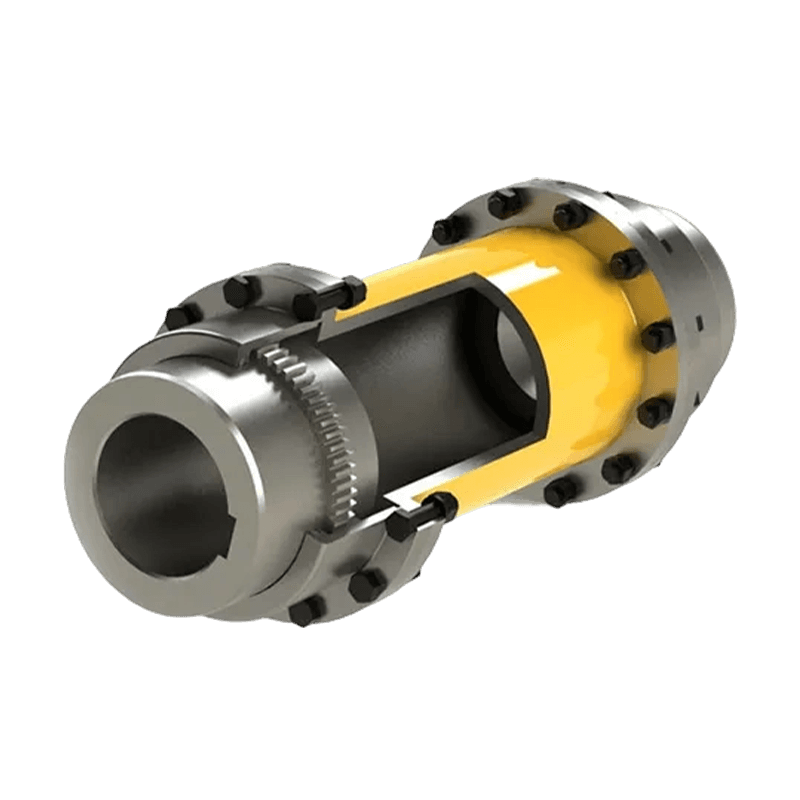
| Gear Coupling | Moderate | High | Moderate | Heavy industrial machinery, high torque transmission |
| High-Precision Metal Elastic Coupling | Near Zero | High | Low to Moderate | Servo systems, encoders, precision motion control |
While elastomeric couplings offer greater vibration damping and misalignment tolerance, and gear couplings offer higher torque capacity for heavy machinery, high-precision metal elastic flexible couplings remain the preferred choice whenever backlash free, torsionally stiff, and repeatable motion transmission is the primary requirement.
Material Selection and Manufacturing Considerations
The performance of a high-precision metal elastic flexible coupling depends heavily on both the material used and the precision of its manufacturing process.
Stainless Steel Alloys
Most high-precision coupling discs, diaphragms, and bellows are manufactured from austenitic or precipitation hardened stainless steel alloys, chosen for their favorable combination of fatigue resistance, corrosion resistance, and consistent elastic modulus across a wide temperature range. Some specialized applications use titanium or high strength nickel alloys where weight reduction or extreme corrosion resistance is required.
Hub Materials
The rigid hub sections that clamp onto the connected shafts are typically manufactured from aluminum alloy for lightweight, lower speed applications, or steel alloy for applications requiring higher clamping force and torque capacity. Hub bore options commonly include set screw clamping, split clamp designs, or keyed bores, depending on the shaft interface required by the application.
Precision Manufacturing Processes
The thin flexible elements within these couplings are typically produced using laser cutting, wire electrical discharge machining, or photochemical etching, processes capable of achieving the tight dimensional tolerances and smooth edge finishes necessary to avoid stress concentrations that could lead to premature fatigue failure. After cutting, many manufacturers perform additional stress relieving, surface polishing, or passivation treatments to further improve fatigue life and corrosion resistance.
Selection Criteria for Engineers and Buyers
Choosing the correct high-precision metal elastic flexible coupling for a given application requires careful evaluation of several interrelated factors.
- Determine torque requirements. Calculate both continuous operating torque and peak or shock torque the coupling must withstand, including appropriate safety margins.
- Assess expected misalignment. Estimate the realistic angular, parallel, and axial misalignment expected between the connected shafts based on mounting tolerances and thermal expansion.
- Evaluate required torsional stiffness. Higher stiffness generally improves servo system bandwidth and positioning accuracy, but must be balanced against misalignment capacity and moment of inertia limits.
- Check operating speed range. Confirm the coupling's rated speed exceeds the maximum operating speed of the application with an appropriate margin, particularly for high speed spindle or turbo applications.
- Consider environmental conditions. Account for temperature extremes, exposure to chemicals or moisture, and any cleanroom or vacuum compatibility requirements relevant to the application.
- Confirm shaft interface compatibility. Verify bore size, keyway requirements, and clamping method match the connected shaft dimensions and torque transmission requirements.
- Review moment of inertia impact. In high dynamic response applications, minimizing the coupling's moment of inertia helps preserve servo system responsiveness and reduces settling time.
Installation Best Practices
Proper installation is critical to achieving the full performance benefits of a high-precision metal elastic flexible coupling, since improper mounting can introduce stresses the coupling was not designed to absorb on an ongoing basis.
- Align shafts as closely as practical during initial installation, even though the coupling can accommodate some misalignment, since operating well within the rated misalignment range extends fatigue life significantly.
- Use precision alignment tools such as dial indicators or laser alignment systems when installing couplings in high accuracy applications, rather than relying on visual alignment alone.
- Follow manufacturer specified torque values when tightening hub clamping screws, since under tightening can allow slippage under load while over tightening can damage the hub or shaft.
- Avoid axial preloading beyond the coupling's rated capacity during installation, since excessive compression or extension can accelerate fatigue failure of the flexible element.
- Inspect the coupling after initial installation and after any process changes that might affect shaft alignment, such as equipment relocation or thermal cycling.
Maintenance and Inspection Guidelines
Although high-precision metal elastic flexible couplings are generally low maintenance components compared to gear couplings or lubricated mechanical joints, periodic inspection helps ensure continued reliable performance.
- Visually inspect flexible elements for signs of fatigue cracking, particularly around slot edges and stress concentration points, during scheduled maintenance intervals.
- Check hub clamping screws periodically to confirm they remain properly torqued, since vibration over time can occasionally cause fasteners to loosen.
- Monitor for unusual vibration, noise, or positioning drift in the connected system, which can indicate a developing coupling fault or misalignment that has exceeded the coupling's design range.
- Replace couplings that have reached their rated fatigue cycle life or that show visible signs of cracking, even if functional failure has not yet occurred, since catastrophic failure of a flexible element during operation can cause sudden loss of motion control.
Future Trends and Innovations
As motion control systems continue to demand higher speeds, tighter accuracy, and greater reliability, coupling manufacturers continue to refine both design and manufacturing techniques.
Additive Manufacturing of Complex Geometries
Advances in metal additive manufacturing are enabling the production of more complex flexible element geometries that would be difficult or impossible to achieve through traditional cutting processes, potentially allowing further optimization of the balance between torsional stiffness and misalignment capacity.
Integrated Sensing Capabilities
Some manufacturers are exploring couplings with integrated torque or strain sensing capability, allowing real time monitoring of transmitted torque and early detection of developing mechanical issues within the connected drive train.
Improved Fatigue Modeling
Advances in computational fatigue analysis and finite element modeling are allowing manufacturers to more accurately predict coupling service life under complex, real world loading conditions, leading to more optimized designs that maximize fatigue life without unnecessary material use or added moment of inertia.
Miniaturization for Compact Robotics
As robotic and automation systems continue to shrink in size while maintaining or increasing precision requirements, demand is growing for smaller, lighter high-precision couplings that maintain high torsional stiffness relative to their size, driving continued innovation in material selection and manufacturing precision.
High-precision metal elastic flexible couplings occupy a critical role in modern motion control and automation systems, providing the rare combination of near zero backlash, high torsional stiffness, and reliable misalignment accommodation that precision applications demand. By relying on the controlled elastic deformation of thin metal discs, diaphragms, beams, or bellows rather than the compressible material properties of elastomeric couplings, these components deliver the repeatable, accurate torque transmission required in servo systems, CNC machinery, robotics, and precision instrumentation. As manufacturing techniques and material science continue to advance, these couplings are likely to become even more capable, supporting the ever increasing accuracy and speed demands of next generation automated systems.
For engineers and buyers selecting a coupling for a precision application, careful attention to torque requirements, expected misalignment, torsional stiffness needs, and environmental operating conditions will ensure the chosen high-precision metal elastic flexible coupling delivers reliable, accurate performance throughout the service life of the connected system.
- Quick Links
- About
- Products
- Our Service
- News & Events
- Contact
- Products Series
- Flexible Couplings with Non-Elastic Elements
- Flexible Couplings with Metal Elastic Elements
- Flexible Couplings with Non-Metallic Elastic Elements
- Safety Coupling
- Rigid Coupling
- Contact Us
- Tel : +86 511 8572 3800 +86 511 8572 3900
- Mobile : +86 15106109009
- Email : sales@couplingzy.com
- Add:No.1 Zhongye Yingbin Avenue, Gaozi Street, Dantu Economic Development Zone, Zhenjiang City, Jiangsu Province, China.


