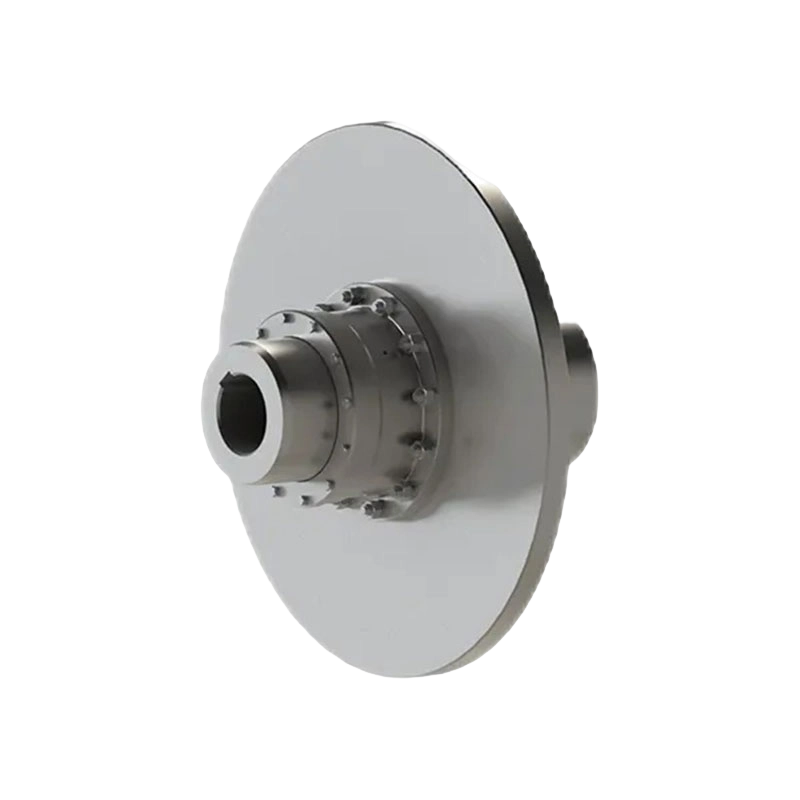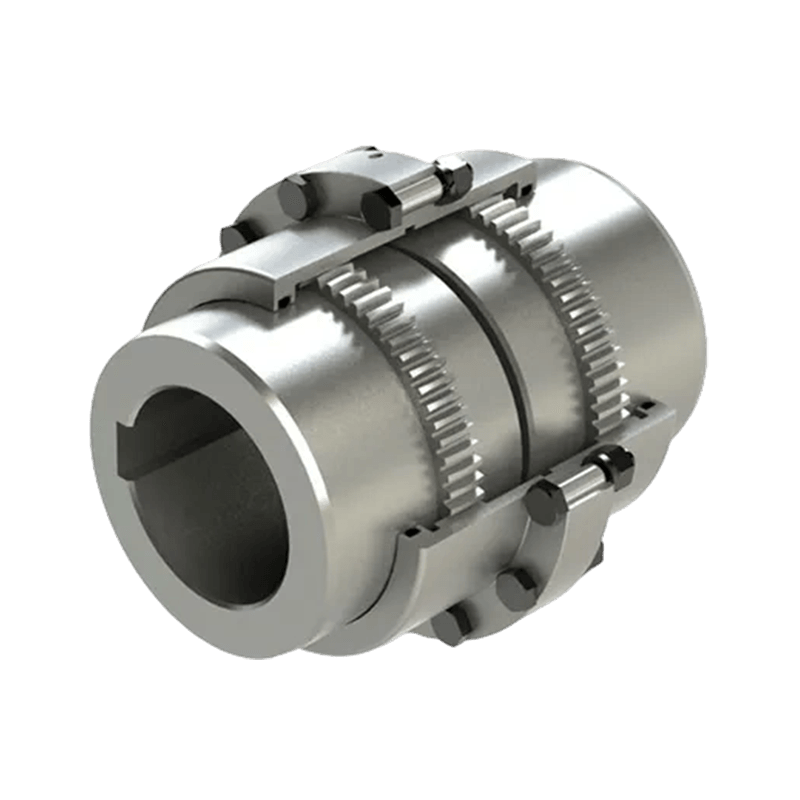


再生可能および新エネルギー システムへの世界的な移行により、かつてはシステム全体の設計よりも二次的であると考えられていた機械コンポーネントに並外れた要求が課せられています。このうち、 新エネルギー機器用継手 ドライブトレインの効率、システムの寿命、動作の信頼性に直接影響を与える重要な要素として浮上しています。風力タービン、太陽光追尾ドライブ、水素燃料電池コンプレッサー、電気自動車のパワートレイン、グリッドスケールのエネルギー貯蔵システムはすべて、トルクをきれいに伝達し、動的負荷を吸収し、実際の設置や運用で生じる避けられない位置ずれに対応するために、高精度のカップリングに依存しています。
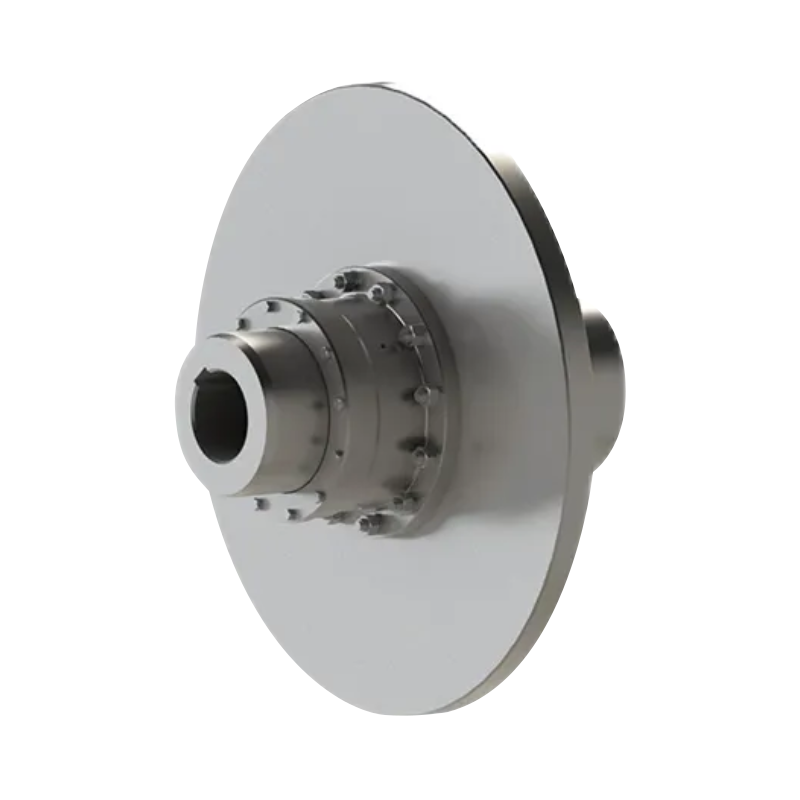
このより広いカテゴリーの中で、 金属弾性要素を備えたフレキシブルカップリング 最も要求の厳しい新エネルギー用途に最適なソリューションとして大きな注目を集めています。ポリマーベースの代替品が維持するのが難しい寸法精度や耐熱性を犠牲にすることなく、高いトルク伝達容量と測定可能な柔軟性を組み合わせる能力により、現代のエネルギーインフラを定義する厳しい動作環境に独自に適しています。
金属弾性要素を使用したフレキシブルカップリングを理解する
フレキシブル カップリングは、2 つのシャフト (通常は駆動シャフトと従動シャフト) を接続しながら、それらの間の角度、半径方向、軸方向の位置ずれを調整する機械装置です。ほぼ完璧なシャフトの位置合わせが要求され、接続されたコンポーネント間で振動が直接伝達されるリジッド カップリングとは異なり、フレキシブル カップリングは、ドライブトレインに制御された程度のコンプライアンスを導入します。このコンプライアンスは複数の機能を果たします。ピーク衝撃荷重を軽減し、ねじり振動を減衰し、熱膨張を補償し、接続されたベアリングとシールの耐用年数を延ばします。
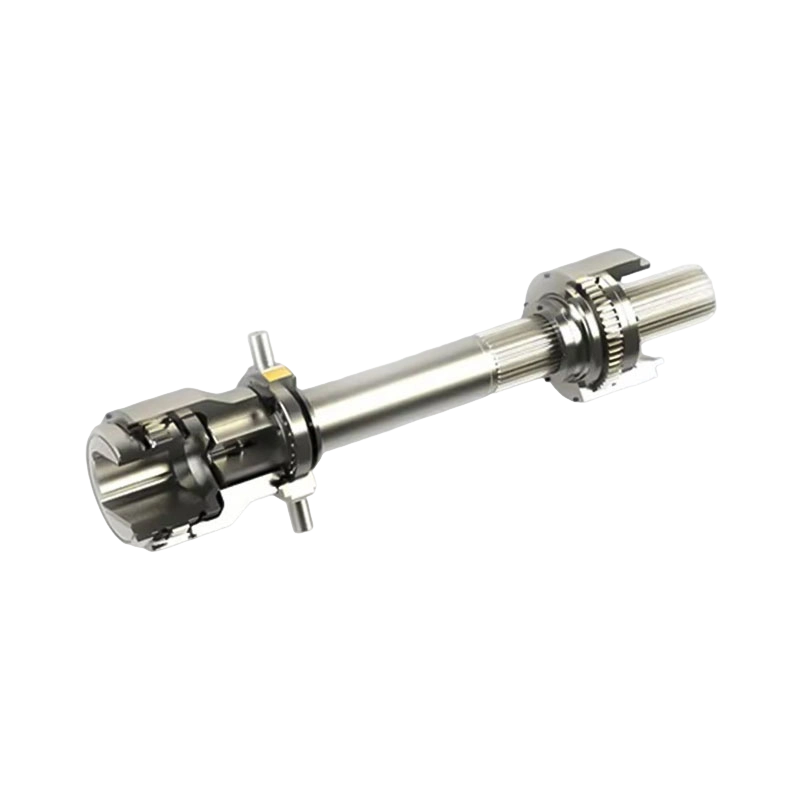
特に金属弾性要素とのカップリングでは、この柔軟性はゴム、ポリウレタン、その他のポリマー中間体ではなく、精密に設計された金属コンポーネント (最も一般的には薄い鋼板、ダイヤフラム、板バネ、または蛇行バネパック) によって実現されます。これらの要素は負荷がかかると弾性変形し、永久変形することなく、制御された反復可能な方法でエネルギーを蓄積および放出します。その結果、柔軟性と耐久性が同時に優れたカップリングが誕生し、幅広い温度範囲にわたって、またポリマーの劣化により柔らかい代替品では信頼性が低下するような環境でも動作することができます。
金属弾性要素の主な種類
金属弾性要素の設計範囲は広く、形状が異なれば意味のある異なる性能特性が生み出されます。新エネルギー機器で最も広く使用されているタイプは次のとおりです。
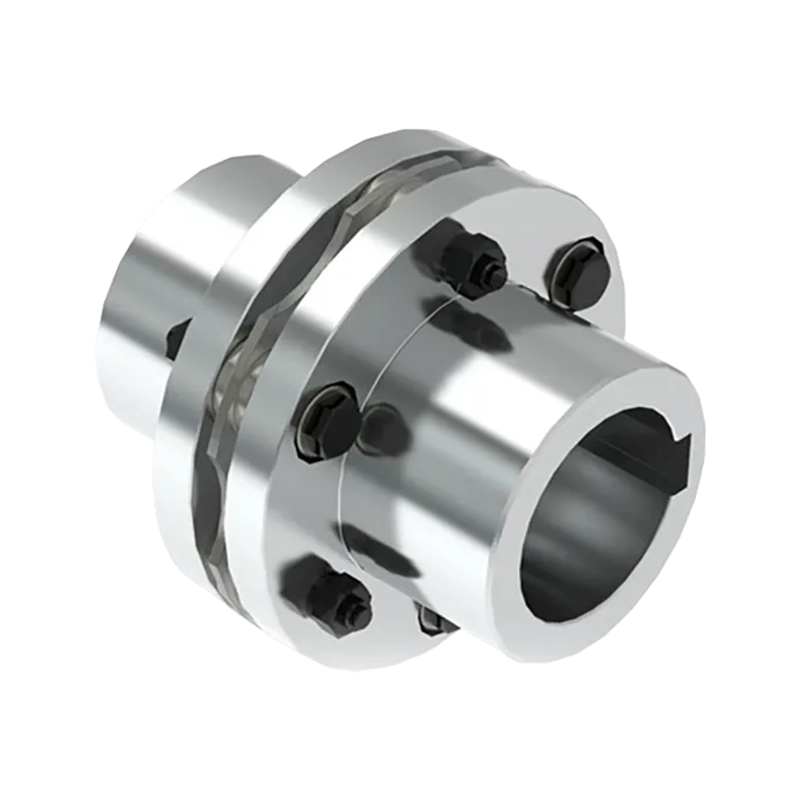
- ディスクパックカップリング: これらは、駆動側と従動側のフランジに交互にボルトで固定された一連の薄い精密スタンプ鋼ディスクを使用します。トルクがかかると、ディスクは曲げの際にたわみ、角度および軸方向のミスアライメントに対応しながら、バックラッシュを最小限に抑えながら高トルクを伝達します。ディスク パック カップリングは、風力タービン発電機の接続や高速電気モーターのテスト リグにおいて主要な選択肢です。
- ダイヤフラムカップリング: ハブ間に溶接またはボルト止めされた 1 つまたは複数の輪郭のある金属ダイヤフラムを備えたダイヤフラム カップリングは、バランスとねじり剛性が最重要となる高速用途に優れています。一体型ダイヤフラム設計により締結部品の疲労点が排除され、水素製造や液化天然ガス処理に使用されるコンプレッサーなどのターボ機械に好まれます。
- ベローズカップリング: 波形金属ベローズ要素は、コンパクトなエンベロープで高い軸方向のコンプライアンスと優れた角度の柔軟性を提供します。ベローズカップリングは、バックラッシュゼロと高いねじり剛性が共存する必要があるサーボ駆動の太陽追尾システムや精密位置決めステージでよく使用されます。
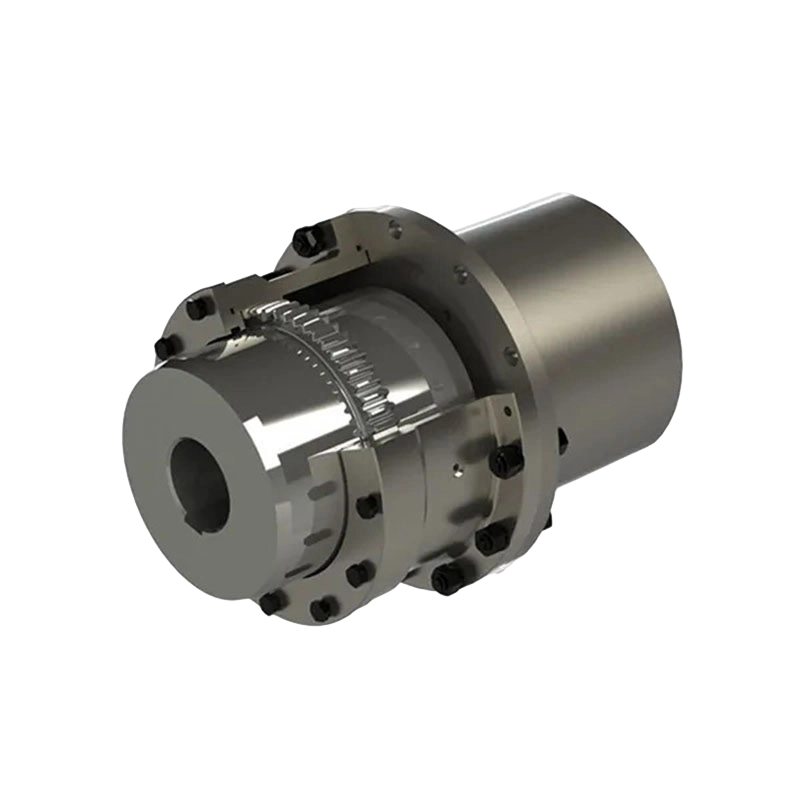
- サーペンタイン スプリング カップリング: 正弦波状の鋼製スプリング要素が 2 つのハブの噛み合い歯と連動し、制御されたねじり柔軟性と優れた衝撃吸収性を備えたトルク伝達を実現します。これらは産業用発電機セットやエネルギー貯蔵フライホイール システムでよく見られます。
- 板バネカップリング(金属エレメントを使用したオルダムタイプ): 放射状に配置された薄い金属葉は、ねじり剛性を維持しながら放射状のミスアライメントに対応し、平行軸オフセットが大きい用途に適しています。
新しいエネルギーの文脈において金属弾性要素がポリマー代替要素よりも優れている理由
ゴムスパイダー、ポリウレタンジョーインサート、またはエラストマータイヤエレメントを使用したポリマーフレキシブルカップリングは、何十年にもわたって業界に確実に貢献しており、多くの標準的な用途に適切であり続けています。しかし、新エネルギー機器の特定の動作条件では、設計が困難な方法でポリマー要素の限界が明らかになります。
温度耐性
新しいエネルギー システムは、極端な温度で動作することがよくあります。洋上風力タービンは氷点下の北極条件でも機能しなければなりません。集光型太陽光発電 (CSP) プラントでは、ドライブトレインのコンポーネントが持続的な高い周囲温度にさらされます。水素燃料電池のバランス・オブ・プラント・コンプレッサーは、始動と停止のイベントごとに広い温度範囲を循環します。ポリマー結合要素は本質的に温度に敏感です。エラストマーは低温条件では硬化して柔軟性を失い、衝撃伝達が増加しますが、温度が上昇するとクリープ、硬化、最終的には亀裂が促進されます。対照的に、金属弾性要素は、合金の選択に応じて、通常 -60 °C から 300 °C 以上の温度範囲にわたって機械的特性を維持するため、新しいエネルギー システムの動作範囲全体にわたって本質的に信頼性が高くなります。
経年劣化と耐用年数
ポリマー材料は、酸化、UV 劣化、オゾン攻撃、疲労亀裂などのメカニズムを通じて老化します。これらのメカニズムはすべて、エネルギー インフラストラクチャで一般的な屋外または化学的に活動的な環境で加速されます。屋上の太陽光追尾ドライブに設置されているゴム製カップリング要素は、紫外線やオゾンにさらされ続けると 3 ~ 5 年以内に劣化し始め、25 年の耐用年数を想定して設計されたシステムに振動や最終的な故障を引き起こす可能性があります。金属弾性要素は、腐食 (材料の選択と表面処理によって管理されます) がなければ、一般的な機器の設計寿命を超えて意味のある意味で老化することはありません。その疲労挙動は予測可能であり、工学計算に適しているため、ポリマー要素では同じ厳密さではサポートできない信頼性の高い寿命予測が可能になります。
ねじり剛性の一貫性
カップリングのねじり剛性、つまり加えられたトルク単位あたりの角度たわみに対する抵抗力は、接続されたドライブトレインの共振周波数に直接影響します。システム設計者は、この剛性値を正確に把握し、機器の耐用年数全体にわたって剛性値が安定していることを信頼できなければなりません。ポリマーカップリングの剛性は温度、負荷履歴、経年変化によって変化し、共振周波数が変化して予期せぬ振動の問題を引き起こす可能性があります。金属弾性要素は、環境条件やサービス履歴によって変化しない、一貫した明確に定義されたねじり剛性を提供し、設計段階での正確な回転力分析と確実な共振回避を可能にします。
無潤滑運転
多くの金属カップリング設計、特にディスクパック、ダイヤフラム、ベローズタイプは完全に無潤滑です。この特性は、洋上風力タービンナセル、遠隔砂漠の太陽光発電施設、海底潮力エネルギー発電機など、メンテナンスへのアクセスが困難またはコストがかかる新エネルギー用途で特に価値があります。潤滑要件を排除すると、メンテナンス作業、汚染リスク、潜在的な故障モードが同時に排除されます。
新エネルギー機器の主な用途
風力エネルギー: タービン ドライブトレイン
風力タービンのドライブトレインは、あらゆる業界で最も要求の厳しいカップリング アプリケーションの 1 つです。ローターハブをギアボックスに接続するメインシャフト、またはダイレクトドライブ構成では永久磁石発電機に直接接続するメインシャフトは、変動する風荷重によって駆動される変動トルクを伝達し、ローター推力による曲げモーメントを吸収し、これらの荷重によって引き起こされるシャフトのたわみに対応する必要があります。ディスクパックカップリングは、このインターフェース、特に多段ドライブトレインにおけるメインシャフトとギアボックスの接続に広く仕様化されており、その高いトルク容量、ミスアライメントへの適応性、および脈動負荷条件における実証済みの疲労寿命が決定的な利点となります。ギアボックス出力の高速発電機カップリングでは、優れたバランス特性と、大型タービンでは 1,500 RPM を超えるシャフト速度に適しているため、ダイヤフラム カップリングが好まれることがよくあります。
太陽エネルギー: 追跡システムのドライブ
単軸および二軸太陽追尾システムは、電気モータードライブを使用して、太陽光発電パネルまたはパラボラトラフコレクターを一日中太陽の方向に向けます。モーターの出力シャフトとトラッカーのドライブ入力の間のカップリングは、低トルクから中程度のトルクに対応し、25 年以上メンテナンスフリーで動作し、トラッカー構造の熱膨張によって生じる小さいながらも持続的なミスアライメントに対応する必要があります。ベローズカップリングと精密ディスクカップリングはこの役割に適しており、ゼロバックラッシュ(正確な位置決めに不可欠)、高いねじり剛性(応答性の高い位置決めに)、そして世界中の太陽光発電設置場所の全気候範囲にわたって完全に無潤滑での動作を実現します。
水素製造: コンプレッサーとポンプの駆動
電気分解によるグリーン水素の製造には、水素を貯蔵圧力またはパイプライン圧力に運ぶ高圧コンプレッサーが必要です。これらのコンプレッサーは、精密カップリングを介して電気モーターによって駆動されます。動作環境は化学的に敏感であり、一部の鋼種では水素脆化が懸念されているため、計画外のダウンタイムが経済的および安全性に重大な影響を与える施設では信頼性が最も重要です。耐水素合金 (通常はオーステナイト系ステンレス鋼または特殊ニッケル合金) で製造されたダイヤフラム カップリングは、これらの用途の標準仕様であり、漏れのない設計、無潤滑動作、および動作中のモーターとコンプレッサーのケーシング間の熱上昇に対応する能力が評価されています。
バッテリーエネルギー貯蔵システム (BESS) とフライホイール貯蔵
グリッド規模のエネルギー貯蔵では、短期間、高サイクルの用途ではフライホイール システムに依存し、長期間の貯蔵ではモーター発電機セットに依存することが増えています。特にフライホイール システムでは、優れたバランス、最小の風損、および疲労破壊なしに数百万回の負荷サイクルに耐える能力を備えたカップリングが求められます。ダイヤフラムとベローズのカップリングは、微細な公差に対して動的にバランスがとれ、高サイクル疲労耐性を考慮して選択された標準的なアプローチです。サーペンタイン スプリング カップリングは、系統故障時の衝撃荷重の吸収が主な懸念事項となる、大型の発電機セットの設置に使用されます。
電気自動車のパワートレイン試験
現場設置ではありませんが、EV パワートレインの開発はテストベンチのカップリング技術に大きく依存しており、高い回転速度、急速なトルク反転、駆動モーターとダイナモメーター間の正確なトルク測定の必要性など、要求は厳しいです。ディスクパックとダイヤフラムカップリングは、多くの場合トルク測定フランジと統合されており、このアプリケーションの標準であり、テストベンチアセンブリに固有のミスアライメントに対応しながら、正確な動的測定に必要なねじり剛性を提供します。
新エネルギー用途向けのエンジニアリング選択基準
特定の新しいエネルギー用途に金属弾性要素を備えた適切なフレキシブルカップリングを選択するには、相互に依存するいくつかのパラメーターを体系的に評価する必要があります。
トルク容量とサービスファクター
The nominal torque rating of a coupling must be matched to the application's maximum continuous torque, but this is only the starting point. New energy equipment is characterized by dynamic loads — wind gusts, start-stop cycles, grid fault events, wave action in marine energy — that impose peak torques significantly exceeding nominal values. Engineering standards for coupling selection, including ISO 14691 for flexible disc couplings and API 671 for special-purpose couplings, prescribe service factors that account for these dynamic conditions. Selecting a coupling with an adequate service factor margin is essential to achieving the target service life and avoiding premature fatigue failures.
Misalignment Capacity
The maximum angular, radial, and axial misalignments that the coupling must accommodate must be determined from a combination of installation tolerances, thermal growth calculations, and structural deflection analysis. Metal elastic element couplings are generally less tolerant of large misalignments than their polymer counterparts — disc and diaphragm couplings in particular have defined misalignment limits that, if exceeded, dramatically reduce fatigue life. Accurate misalignment analysis during the design phase is essential to avoid specifying a coupling that cannot fulfill its design intent in service.
Torsional Dynamics Analysis
The torsional stiffness of the selected coupling must be compatible with the rotordynamic characteristics of the complete drivetrain. A coupling that is too stiff may allow the system's torsional natural frequencies to fall within the operating speed range, causing resonance and accelerated fatigue. A coupling that is too flexible may introduce excessive torsional oscillation under transient loading. Rotordynamic analysis — typically performed using lumped-parameter torsional models — should be conducted during the design phase, with the coupling's torsional stiffness as a key input parameter. The consistent, well-characterized stiffness of metal elastic element couplings is a significant advantage in this analysis compared to the variable stiffness of polymer alternatives.
Material Selection for Corrosion and Environmental Resistance
Offshore wind installations require full corrosion resistance in saline, humid atmospheres. Desert solar installations demand resistance to thermal cycling and abrasive particulate. Hydrogen plant couplings must be free of susceptibility to hydrogen embrittlement. Each environment imposes specific material requirements on the coupling's elastic elements, hubs, and fasteners. Stainless steel, duplex stainless, Inconel, and other specialist alloys are available for demanding environments, and specifying the correct material system is as important as selecting the correct coupling geometry.
Maintenance Access and Service Intervals
In many new energy installations, coupling maintenance access is restricted by design — offshore nacelles, sealed gearbox housings, or continuous-process facilities where shutdown time is expensive. Selecting a coupling whose design life matches or exceeds the planned service interval, and which requires no lubrication or periodic inspection beyond routine visual checks, minimizes lifetime maintenance costs and operational risk. The maintenance-free nature of disc, diaphragm, and bellows couplings makes them the natural choice for these constrained access environments.
Standards and Certification Relevant to New Energy Coupling Specification
Engineering specification of couplings for new energy equipment should reference applicable international standards to ensure fitness for purpose and facilitate procurement from qualified suppliers. Key standards include:
- ISO 14691: Petroleum, petrochemical and natural gas industries — flexible disc couplings for mechanical power transmission — specifying geometry, rating, and testing requirements applicable to many new energy machinery trains.
- API 671: Special-purpose couplings for petroleum, chemical, and gas industry services — the highest-tier specification for critical machinery couplings, increasingly referenced in hydrogen and LNG applications within the energy transition.
- IEC 61400 series: Wind turbine standards that set out reliability, load, and testing requirements for wind energy equipment, within which coupling selection must be demonstrated to comply.
- AGMA 9000 series: American Gear Manufacturers Association flexible coupling standards providing classification, selection guidance, and inspection criteria.
- GL/DNV standards: For offshore and marine energy applications, classification society standards from DNV GL (now DNV) provide environmental and structural requirements that couplings in offshore wind and wave energy converters must satisfy.
The Future of Metal Elastic Couplings in New Energy
As new energy systems continue to scale up in power output and scale out in geographic deployment, the demands placed on their mechanical components will intensify accordingly. Offshore wind turbines are now exceeding 15 MW in rated power, with rotor diameters surpassing 230 meters and main shaft torques reaching levels that challenge the limits of conventional coupling designs. Floating offshore wind platforms introduce dynamic motions that impose multi-axis misalignment loads unprecedented in fixed-foundation applications. Green hydrogen electrolyzer farms are scaling toward gigawatt-scale installations requiring industrial compressor trains of a size and quantity not previously deployed in hydrogen service.
In response, coupling manufacturers serving the new energy sector are advancing their metal elastic element designs through several parallel development tracks: computational optimization of disc and diaphragm geometries for maximum fatigue life at minimum mass; advanced manufacturing techniques including additive manufacturing for complex elastic element geometries not achievable through conventional machining or stamping; surface treatment innovations that extend corrosion resistance in offshore environments without compromising fatigue performance; and integrated condition monitoring capabilities — embedding strain gauges or acoustic emission sensors directly into the coupling — that enable real-time torque measurement and early fatigue detection in remote installations.
These developments ensure that flexible couplings with metal elastic elements will remain at the forefront of drivetrain technology for new energy equipment, evolving in step with the systems they enable.
Flexible couplings with metal elastic elements represent a mature yet continuously advancing technology that is uniquely well suited to the demanding requirements of new energy equipment. Their combination of high torque capacity, consistent torsional stiffness, wide temperature tolerance, long service life, and maintenance-free operation addresses precisely the challenges that define wind, solar, hydrogen, and energy storage applications. For engineers specifying couplings for new energy equipment, a thorough understanding of metal elastic element coupling types, their performance characteristics, and the engineering criteria governing their selection is an essential foundation for drivetrain designs that are reliable, efficient, and ready for the energy systems of the coming decades.